

If your home was built between the late 1970s and mid-1990s, you may have a ticking time bomb hidden behind your walls: Polybutylene (PolyB) plumbing. This gray plastic piping was once hailed as the “pipe of the future,” but its eventual widespread failure has made it a major financial and structural risk for homeowners. The worst part? Many homeowners don’t know they have this unless it was installed while they were around, or had a thorough home inspection. Worst-case scenarios, they find out when it’s too late, and burst pipe damage has been done.
At John G. Plumbing Inc., we specialize in identifying and safely replacing this hazardous material across Nanaimo, Parksville, Coombs, and Qualicum Beach.
How to Identify Polybutylene (PolyB) Plumbing in Your Home
PolyB piping is a grey or blue plastic pipe, usually about 1/2-inch or 3/4-inch in diameter. It is often found connected with either plastic or brass fittings.
Where can I find PolyB pipes in my house?
PolyB was used throughout the entire water delivery system. You can often spot it in accessible, unfinished areas:
- Near the Water Heater: This is one of the most common places to confirm its presence.
- Unfinished Basements/Crawl Spaces: Look for pipes running along floor joists or walls.
- Where Pipes Penetrate Walls: Check near the main water shut-off valve.
Not sure and prefer a professional eye? Give John G. Plumbing a call at (250) 797-0858, and we’ll take a look.
What are the warning signs of PolyB pipe failure?
PolyB doesn’t typically fail all at once; it degrades slowly, giving you crucial warning signs:
- Pinhole Leaks: Small, localized leaks that appear suddenly, often near joints or fittings.
- Fittings Discoloring: The plastic fittings, especially, may start to look chalky or develop micro-fractures.
- Sudden Drop in Water Pressure: This can indicate a larger leak behind a wall or under a slab.
- Repeated, seemingly random leaks in different locations.
) |
But when it does decide to go, it goes hard. Often, these warning signs are not visible because they are hidden behind walls, so most homeowners don’t get adequate warning. Hence, its nickname is a ticking time bomb in your walls. |
Why does Polybutylene piping fail?
The failure of PolyB is not due to physical wear and tear, but rather a slow, internal chemical breakdown that makes the entire system unreliable.
What makes PolyB pipes react to chlorine in tap water?
The chlorine and other disinfectant chemicals added to public water supplies (which are essential for health) are the enemy of PolyB. These chemicals react with the plastic material from the inside out, causing chemical degradation. Over time, the pipe material becomes brittle and begins to flake or spider-web, starting at the fittings and eventually leading to catastrophic failure.
Depending on your town or city’s water treatment process, the amount of chlorine and other chemicals can vary throughout the year. The amount used also varies based on your location.
What is the difference between PolyB and PEX piping?
It is crucial not to confuse PolyB with PEX (cross-linked polyethylene), which is a modern, flexible, and reliable plastic piping solution.
PolyB (Bad)
Usually dull gray or blue; often marked with “PB.” It is chemically susceptible to chlorine.
PEX (Good)
Usually bright red, blue, or white; marked with “PEX.” PEX is designed to resist chemical degradation and has a proven track record. Often, PolyB pipes are replaced with reliable PEX pipes.
The Solution: Replacement, Insurance, and Value
PolyB is not an issue that can be permanently fixed with spot repairs. The entire system is compromised. It’s a waste of time and money to replace only a small portion of your PolyB pipes with PEX because it won’t solve the problem in the long run.
Can a PolyB pipe be repaired, or must it be replaced?
While a temporary repair can stop a leak today, it only addresses one symptom of a system-wide illness. Because the chemical degradation is happening throughout the pipe’s length, another leak will inevitably occur nearby soon. Temporary repairs are not advised.
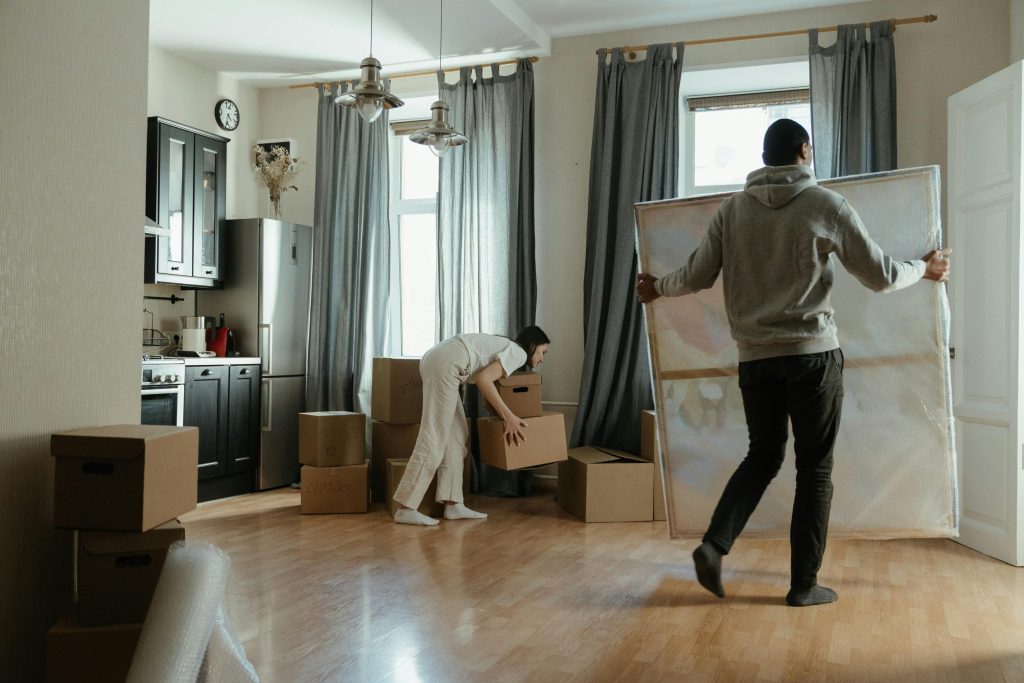
Imagine you just bought the home of your dreams. You got it for a good deal and have a few renovation ideas in mind. But you didn’t get a house inspection. Little do you know that the home has PolyB pipes. At first, you move in, and things go great. You organize your furniture, start decorating, and think of ideas for renovating to really make the space yours. Then, the worst thing happens – your pipes burst. Not only is there extensive damage to your wall, but it has also incurred a huge repair cost. Now you’ve realized, without notice, that you have to repipe your home and repair the existing damage done from these PolyB pipes.
But, isn’t it expensive to repipe my house?
It can be pricey, but it’s an investment with so much value. Not only will it help get your home insured in case something more terrible happens (housefire, anyone?), but the replacement pipes last a very long time.
John G. Plumbing is a family business located in Coombs. We get it, life can be expensive. Unexpected expenses tend to pop up whenever they want, and it can be difficult to manage. That’s why we’re happy to have partnered with FinanceIt – a third-party financing platform. This means you don’t have to pay your entire bill in one shot. Instead, you can split it up into manageable, monthly payments. Ease of mind, and a little easier on the wallet each month. We are happy to provide a free estimate and chat about financing options before replacing a single pipe.

What is the only permanent solution for PolyB pipes?
The only safe, permanent solution is a full repiping and replacement of the entire PolyB system with modern, reliable materials like PEX or Copper. This process removes the source of the risk entirely, restoring the safety and value of your home.
How does PolyB plumbing affect home insurance?
Having PolyB plumbing can severely impact your ability to get standard homeowners’ insurance. Insurers often see it as an unacceptably high risk for future water damage claims. This can result in:
- High Premiums: Insurance companies may charge significantly more.
- Denied Coverage: Some carriers will refuse to insure a home with PolyB outright.
- Mandatory Replacement: Before buying or selling, many banks and insurance companies will require a full repipe.
- On Vancouver Island, most home insurance companies will not insure your home if it contains PolyB plumbing.

Get your free PolyB pipe replacement estimate from John G.
If you suspect you have PolyB plumbing, don’t wait for a major leak to occur. John G. Plumbing Inc. offers comprehensive plumbing inspections and professional full-house repiping services in Nanaimo, Parksville, Coombs, and Qualicum Beach.
Contact your trusted Nanaimo plumber today for a PolyB assessment and a quote on the only permanent solution: a modern, reliable piping system.